Inspiration

Travertine Stone vs Marble: Which Is Better for Saudi Arabian Architecture?

Travertine vs marble Saudi Arabia

Travertine vs Marble: Choosing the Right Stone for Saudi Arabian Architecture

The choice between travertine and marble is a classic dilemma faced by architects, developers, and homeowners embarking on luxury projects in Saudi Arabia. Both stones exude elegance and prestige, but their performance, aesthetics, and suitability differ significantly—especially under the unique demands of the Gulf climate. Making the wrong choice can lead to increased maintenance, higher long-term costs, and a compromised aesthetic. This comprehensive guide provides a detailed, side-by-side comparison of travertine and marble, analyzing their pros and cons specifically for Saudi Arabian architecture, to empower you to make the most informed decision for your project.

1. Understanding the Stones: Origins and Basic Characteristics

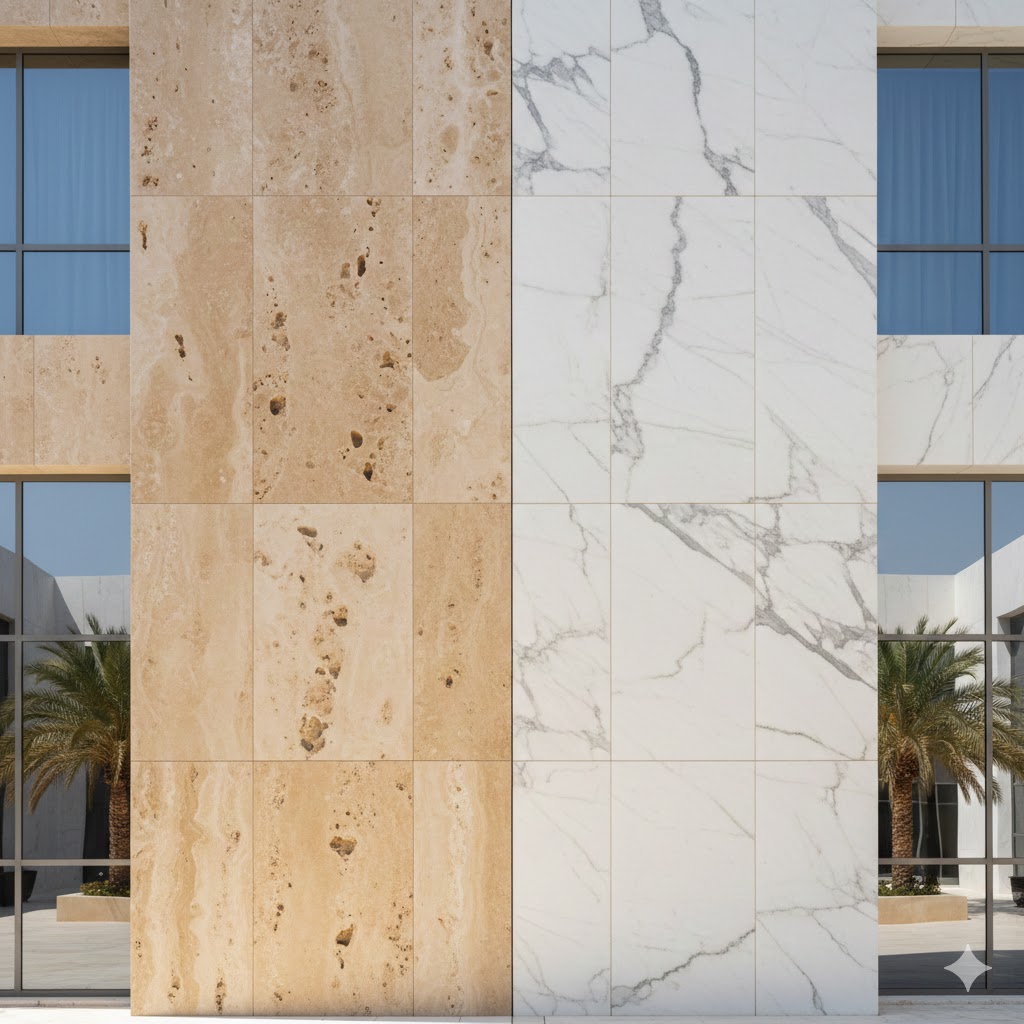
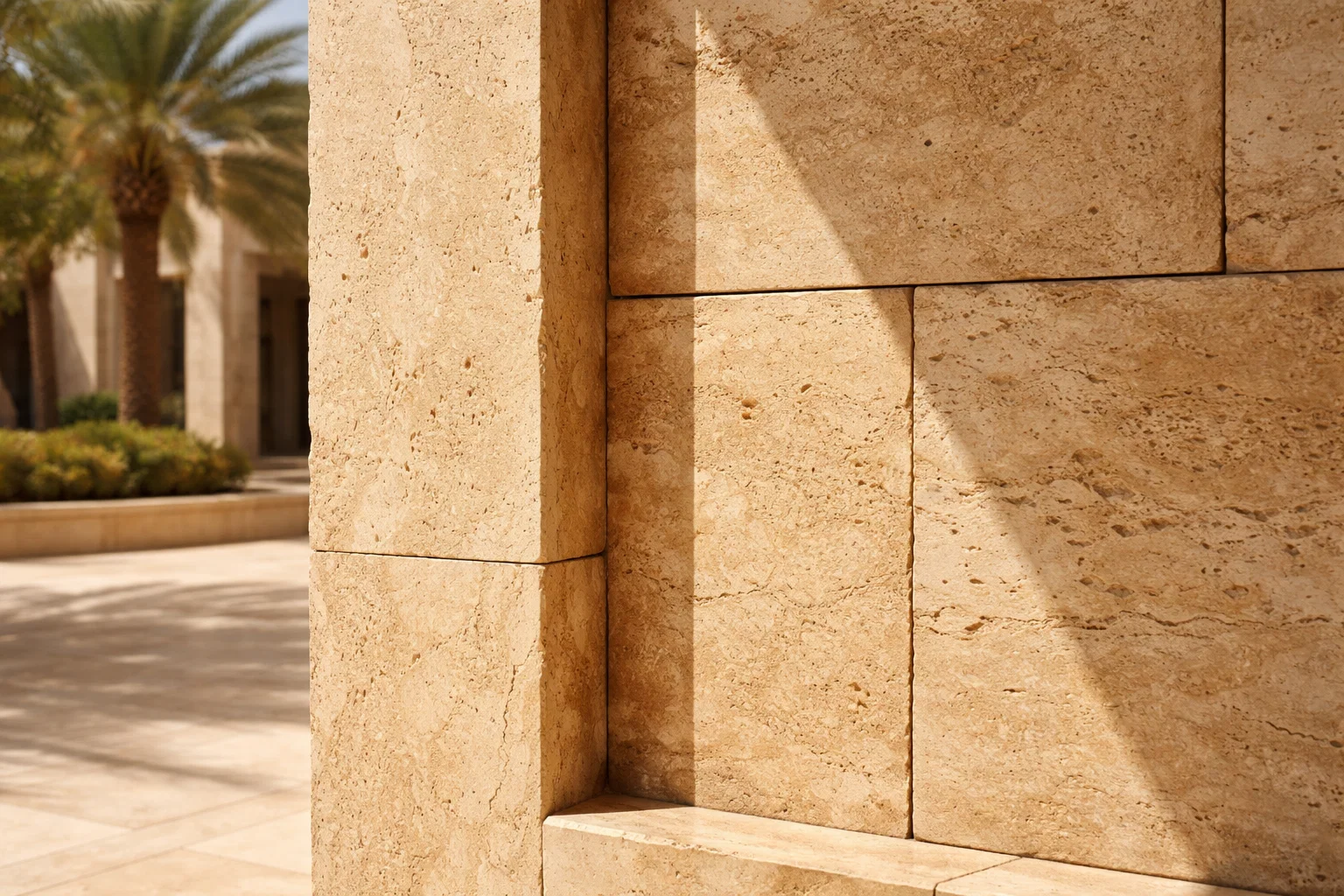
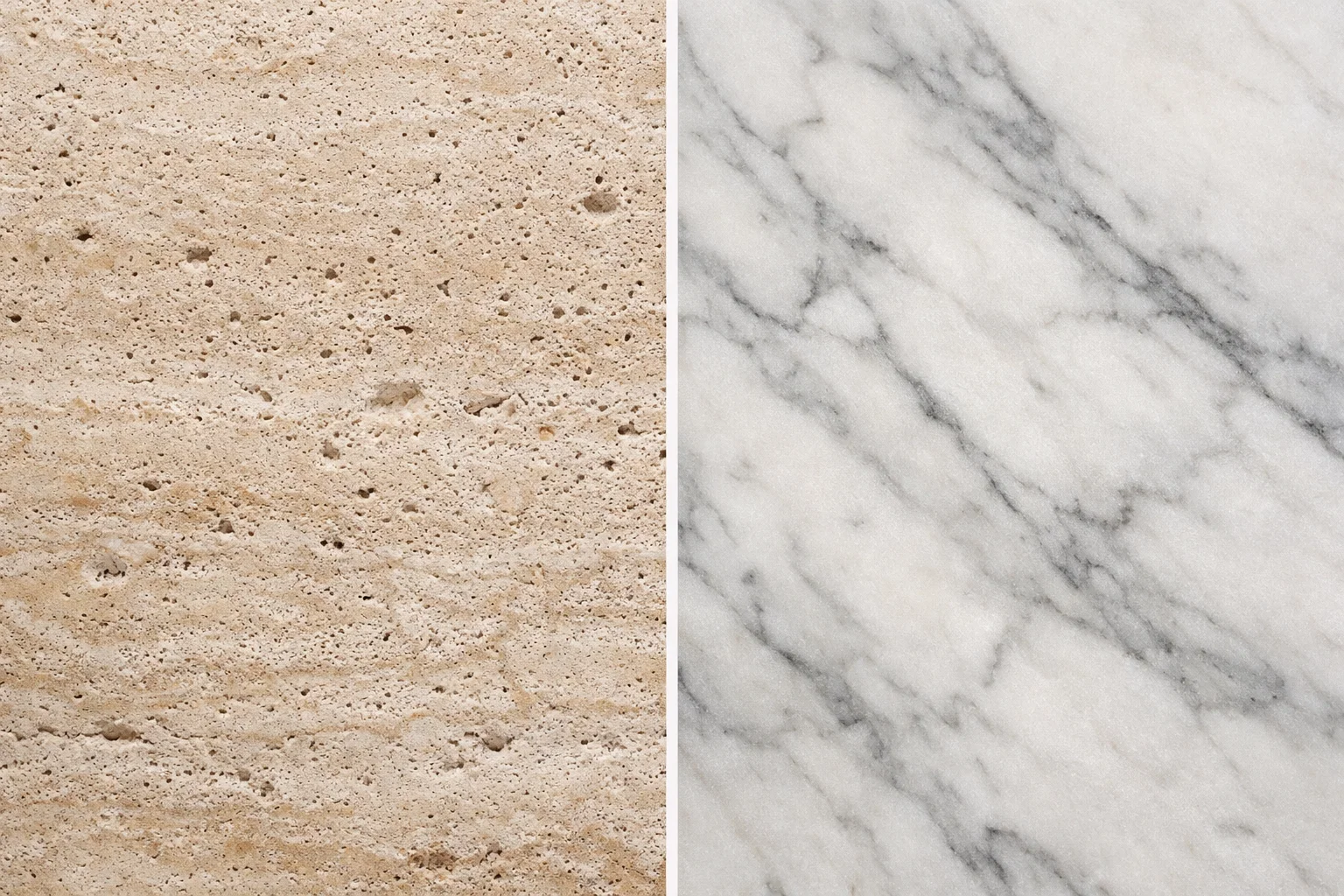
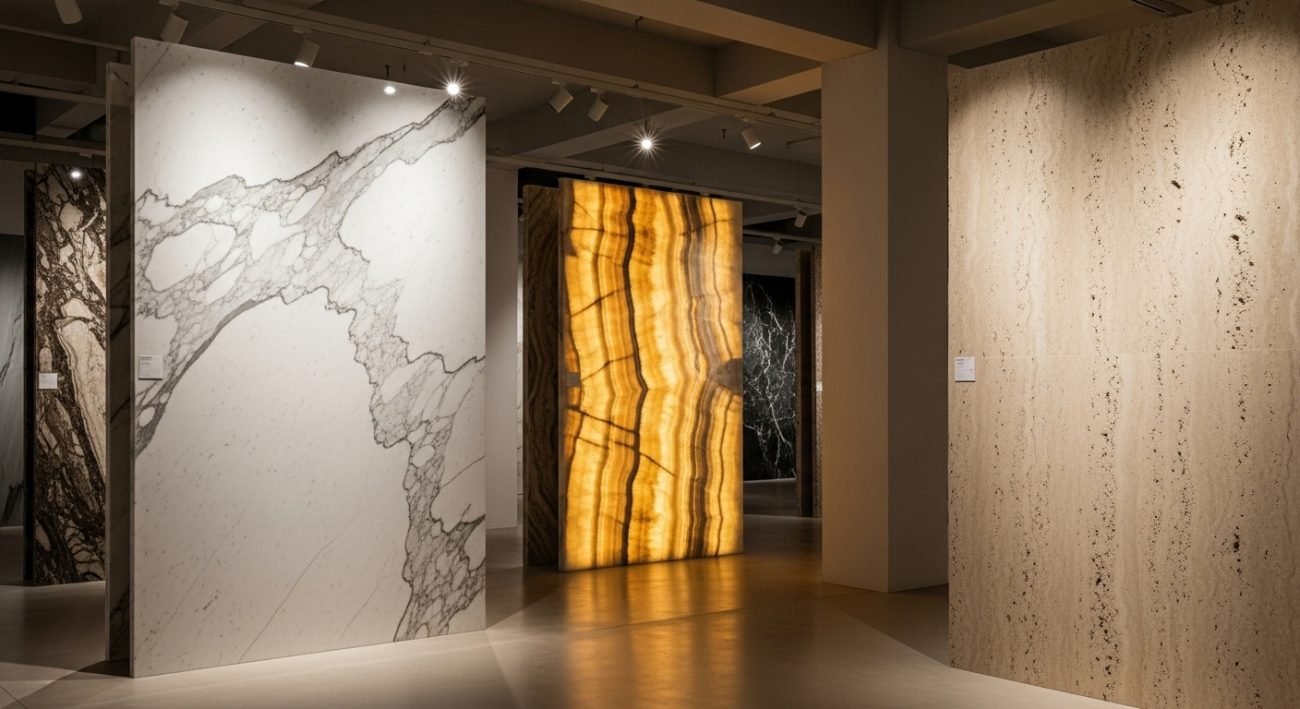
  • Travertine: A type of limestone formed by mineral deposits from hot springs. It is characterized by a porous surface with small cavities and a fibrous, layered structure. Its color palette leans towards earthy tones: beige, cream, walnut, and rust. It often embodies a warm, rustic, yet sophisticated appeal.

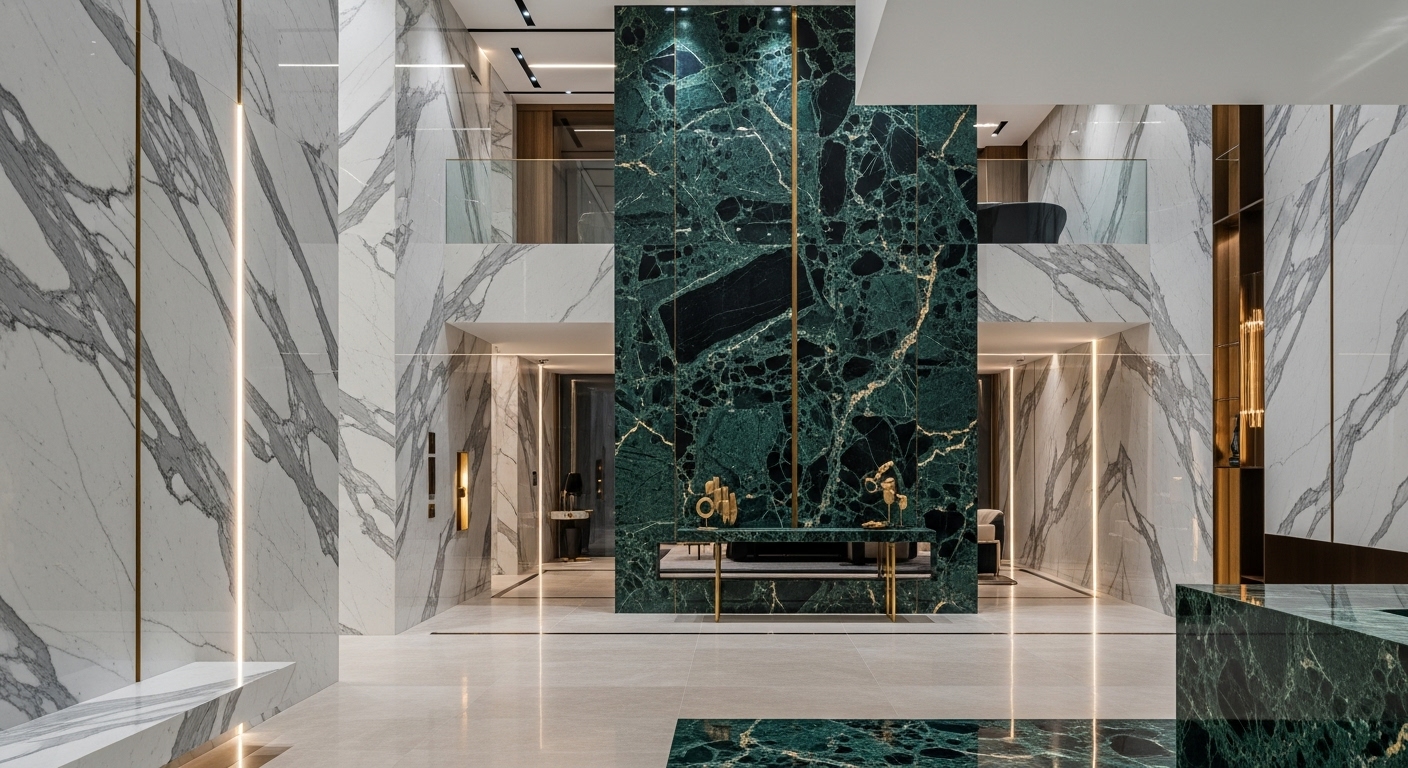
  • Marble: A metamorphic rock formed from recrystallized carbonate minerals. It is known for its distinctive, often dramatic veining patterns on a crystalline background. Colors range from pure white (Carrara) to deep black (Marquina), with greens, golds, and blues available. Marble offers a classic, luxurious, and formal look.

2. Aesthetic & Design Impact: Setting the Tone

The visual outcome is often the primary driver. Your choice sets the project's emotional tone.

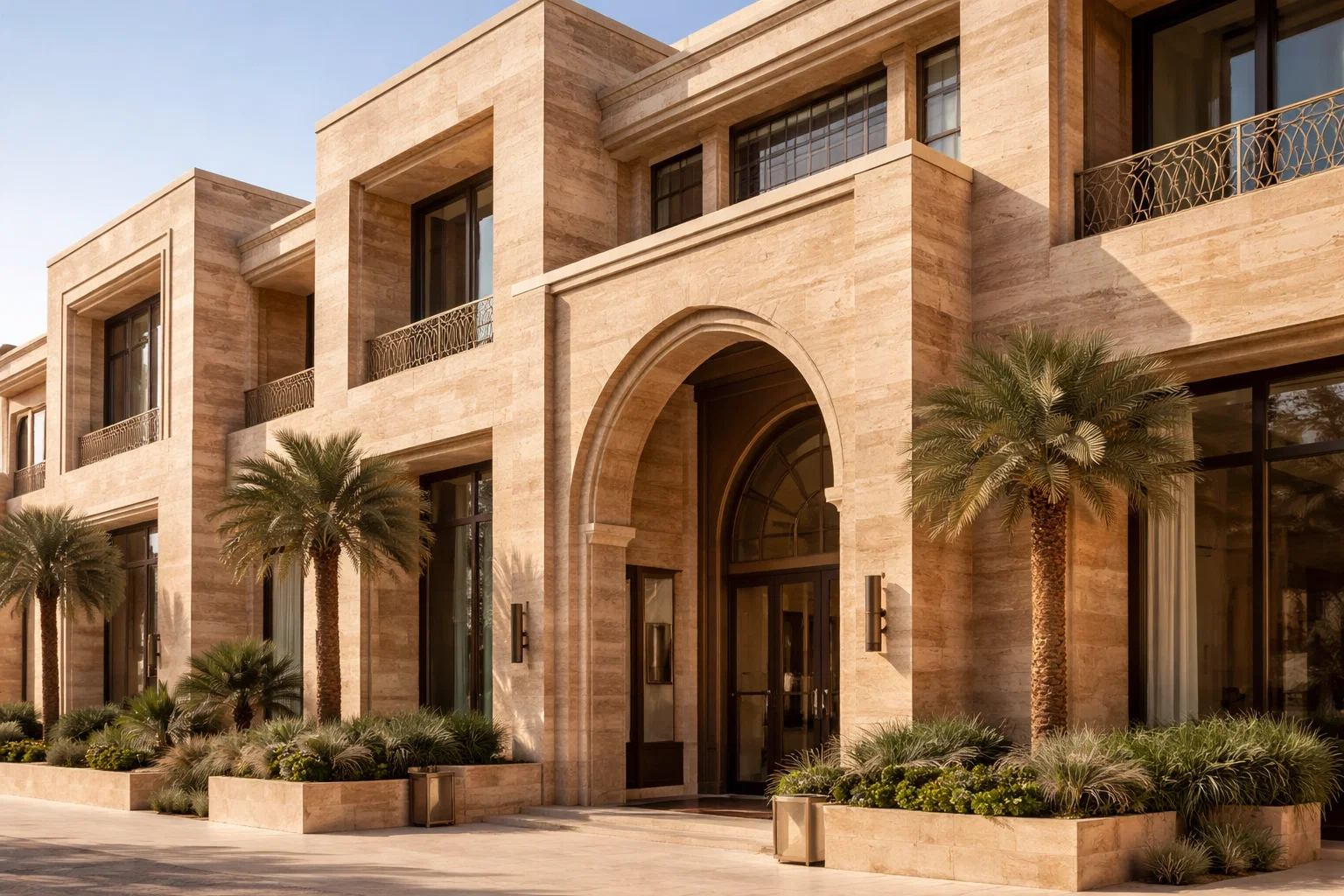
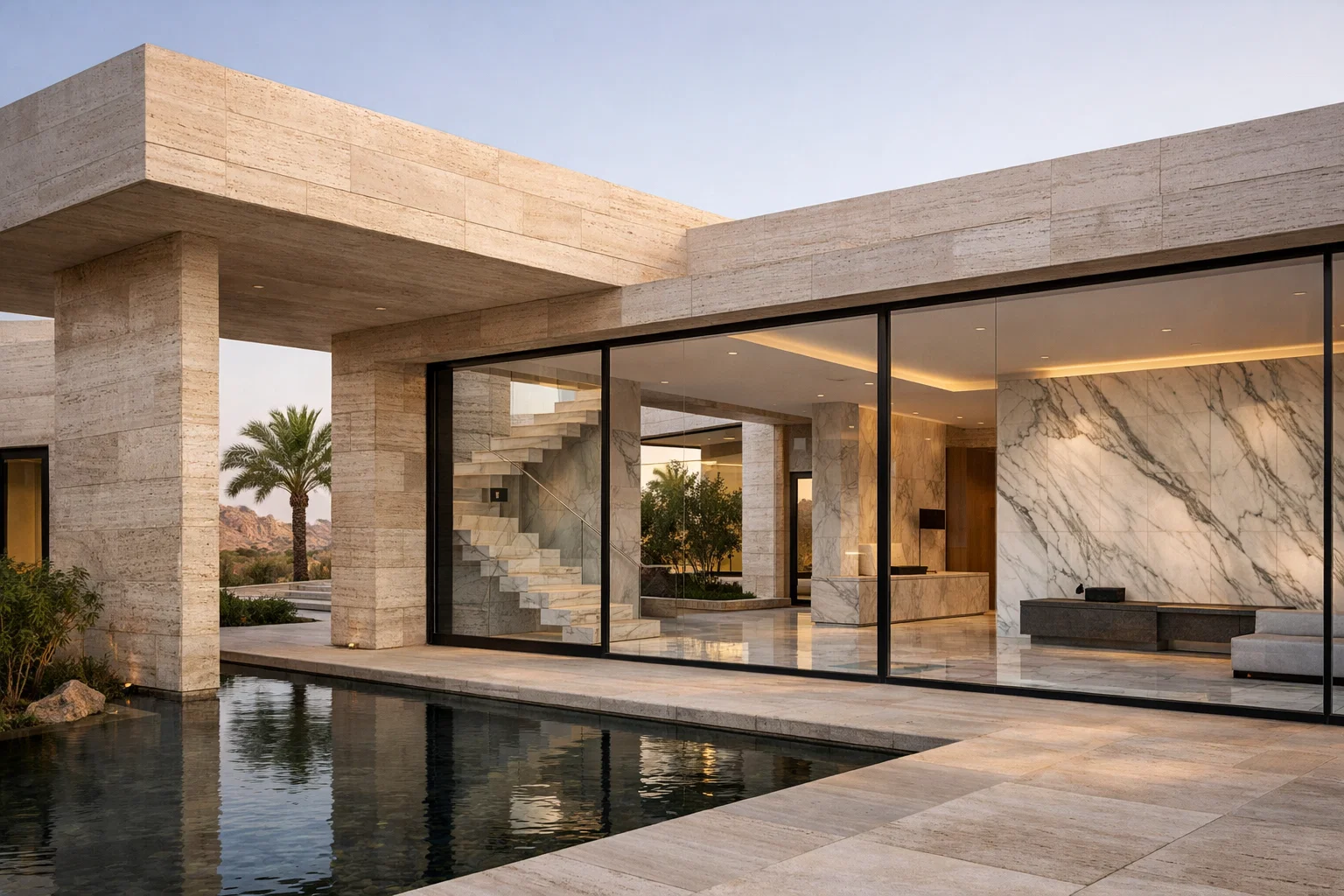
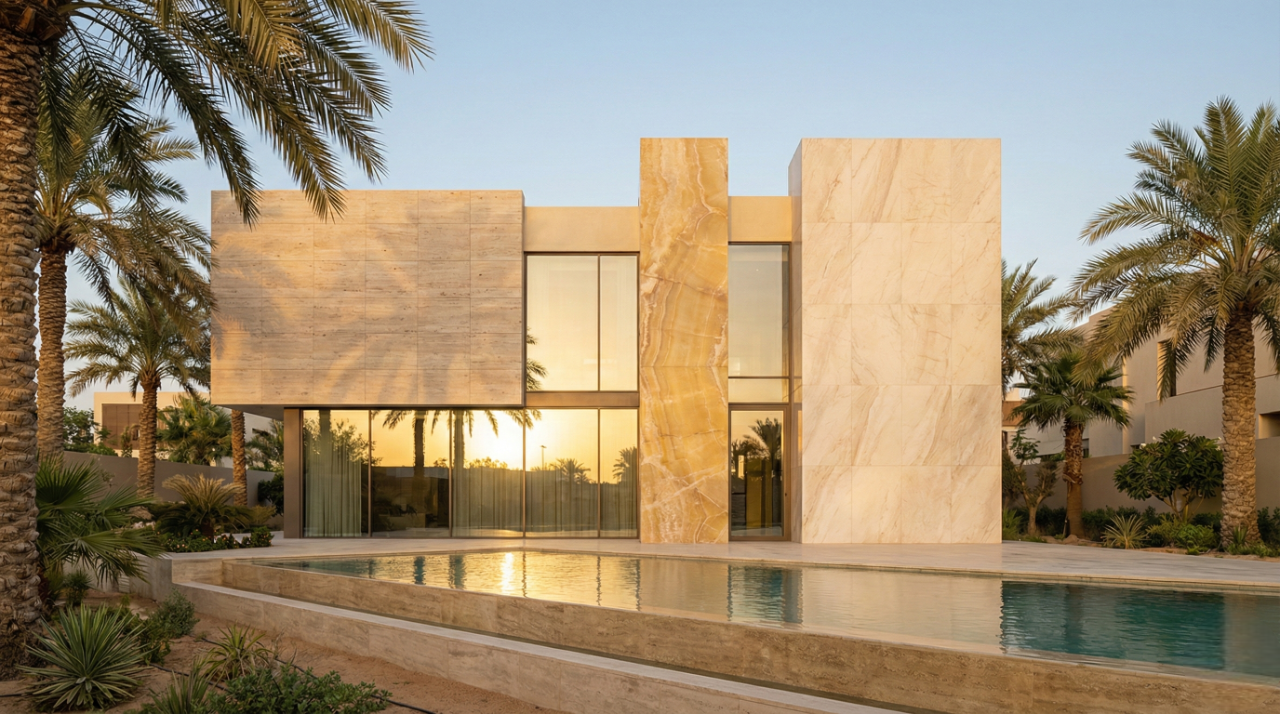
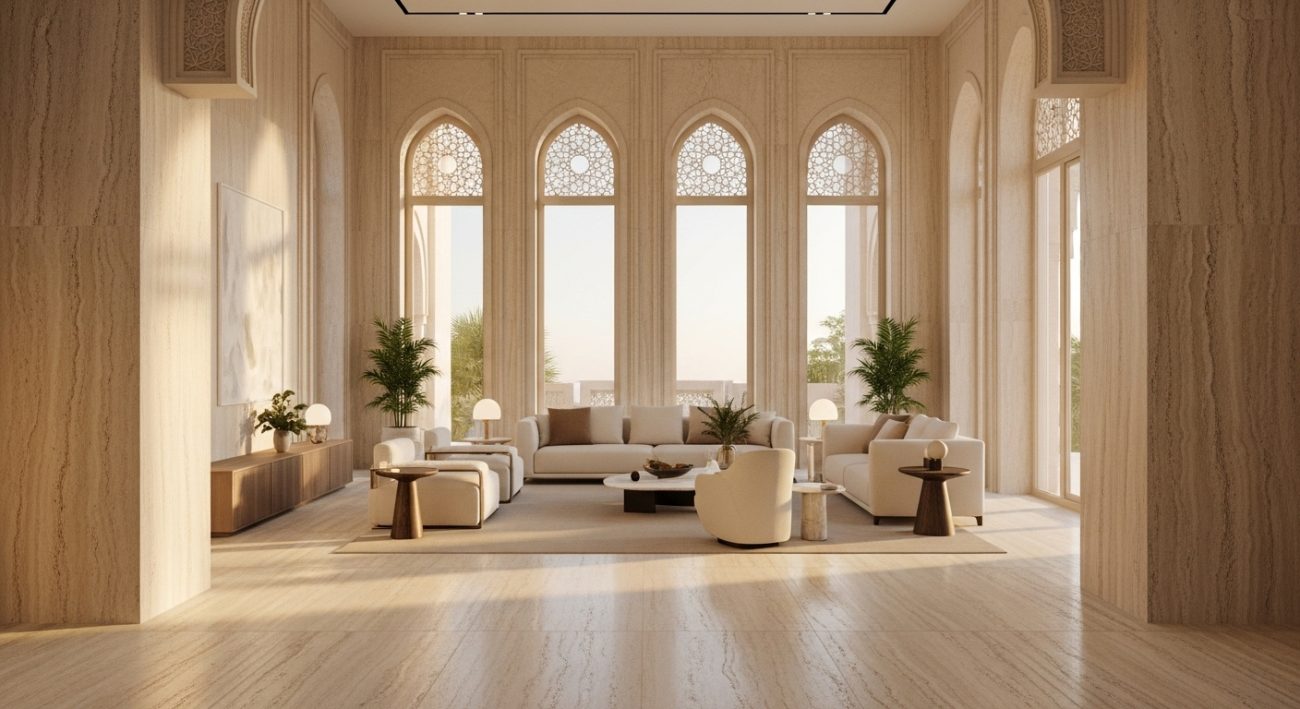
  • Travertine's Aesthetic: Offers warmth and texture. Its earthy colors and subtle, natural pits create an inviting, organic feel. It works exceptionally well for projects aiming for a "desert-modern," Mediterranean, or rustic-luxe aesthetic. It feels grounded and connected to the natural environment.

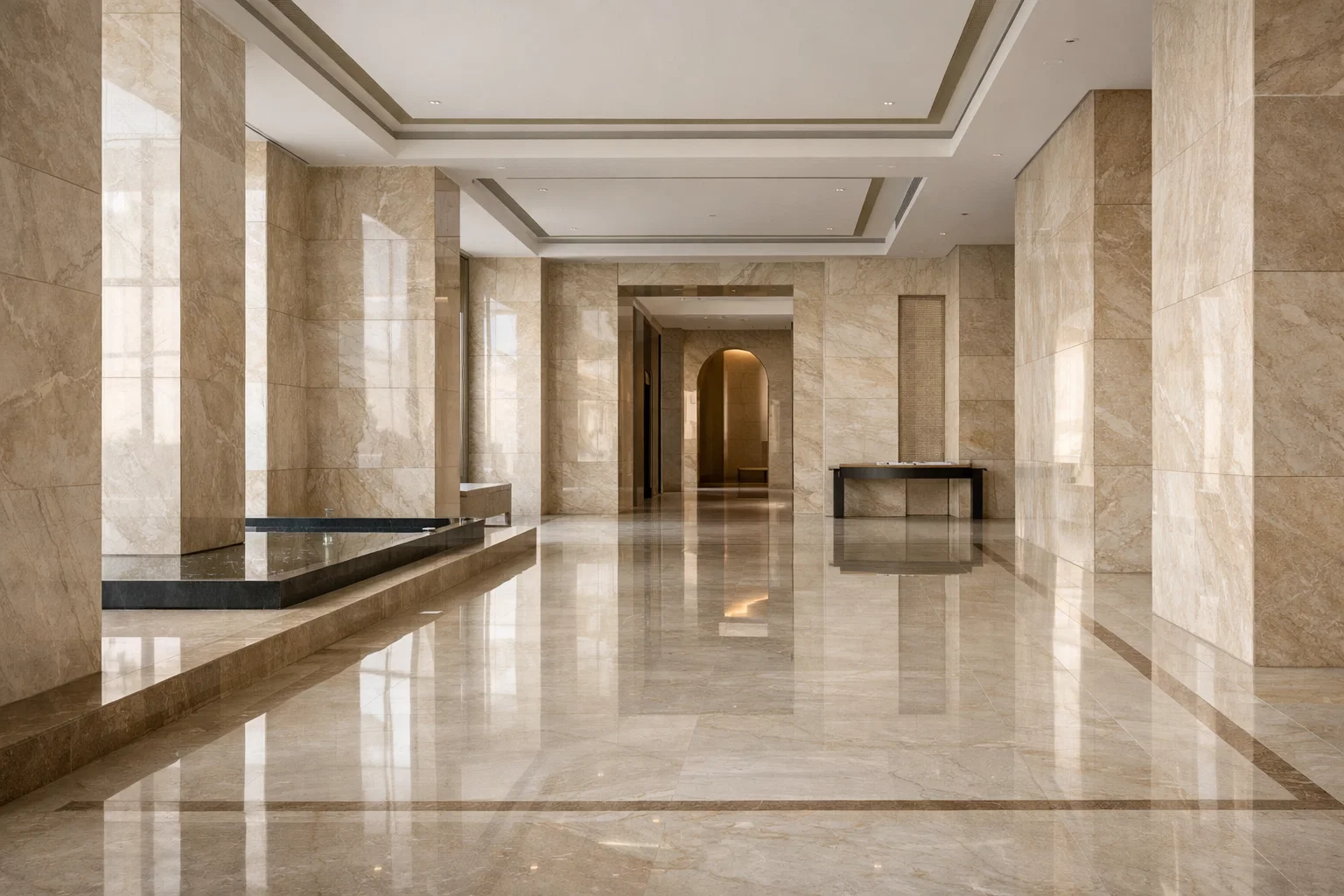
  • Marble's Aesthetic: Delivers drama and grandeur. Its bold veining and glossy polish make a powerful statement. It is the traditional choice for palatial interiors, grand lobbies, and spaces designed to impress with a sense of timeless opulence and cool elegance.

3. Performance & Durability in the Saudi Climate

This is where the decision becomes critical for long-term satisfaction. The intense heat, sun exposure, and potential for high traffic must be considered.

  • Heat & Sun Resistance: Both stones fare well, but travertine has a notable advantage. Its higher porosity and natural thermal mass help it stay cooler to the touch underfoot—a significant benefit for outdoor paving, pool decks, and sun-drenched courtyards. Marble can become very hot when exposed to direct sunlight.

  • Durability & Hardness: On the Mohs scale, both are relatively soft compared to granite. However, marble is more susceptible to etching from acidic substances (like citrus juice or vinegar) and scratching. Travertine is slightly more resilient to surface wear but requires filling its natural pores for some applications.

  • Slip Resistance: For exterior applications, travertine is generally safer. Honed, tumbled, or brushed finishes provide excellent slip resistance. Polished marble, especially when wet, can become very slippery, making it a less ideal choice for pool surrounds or outdoor walkways.

4. Maintenance & Long-Term Costs

The initial stone cost is just one part of the equation. Long-term upkeep is a vital financial and practical consideration.

  • Maintenance Needs: Marble is higher maintenance. It requires immediate spill cleanup to prevent etching and needs regular sealing with specific, pH-neutral products to protect its surface. Travertine also requires sealing, but its etched, natural look can be more forgiving of minor wear and tear. Stains on unsealed travertine can be harder to remove due to its porosity.

  • Aging and Patina: Both stones develop a patina over time. Many designers cherish this in travertine, as it enhances its rustic character. In marble, etching and light scratching can be seen as detracting from its perfect, glossy finish, often requiring professional polishing to restore.

5. Cost Comparison & Value Proposition

Budget often dictates the final choice. The price ranges overlap but are influenced by quality, rarity, and origin.

  • General Cost Trend: Common travertine varieties are often more affordable than many mid-to-high-range marbles. However, rare, exotic travertine can be costly, and plentiful marble like Carrara can be competitively priced.

  • Installed Cost: Factor in fabrication, sealing, and potential higher waste due to veining patterns in marble. Travertine's more uniform appearance can lead to less waste.

  • Value Over Time: Travertine's durability and climate suitability for Saudi Arabia can translate to lower lifetime costs and better preservation of value, especially for exterior and high-traffic applications.

5. Cost Comparison & Value Proposition

Budget often dictates the final choice. The price ranges overlap but are influenced by quality, rarity, and origin.

  • General Cost Trend: Common travertine varieties are often more affordable than many mid-to-high-range marbles. However, rare, exotic travertine can be costly, and plentiful marble like Carrara can be competitively priced.

  • Installed Cost: Factor in fabrication, sealing, and potential higher waste due to veining patterns in marble. Travertine's more uniform appearance can lead to less waste.

  • Value Over Time: Travertine's durability and climate suitability for Saudi Arabia can translate to lower lifetime costs and better preservation of value, especially for exterior and high-traffic applications.

Making the Final Decision: Key Questions to Ask

To choose, align the stone's properties with your project's specific needs:

  1. Location (Indoor/Outdoor)? For outdoor and wet areastravertine is the superior, safer choice. For protected, interior feature elements, marble shines.

  2. Desired Look? Seek warm, natural, and textured? Choose travertine. Desire dramatic, glossy, and formal? Marble is your stone.

  3. Traffic & Usage? For high-traffic areas (hotel lobbies, villa entrances), a honed travertine is more practical. For low-traffic, accent areas (master bathroom, powder room), marble is suitable.

  4. Maintenance Commitment? If you prefer lower upkeep, travertine is easier. If you are committed to meticulous care, marble's beauty can be preserved.

Beyond the Comparison: The Importance of Expert Supply

Regardless of your choice, the quality of the stone and the expertise of your supplier are paramount. A premium supplier like Sahand Stone ensures:

  • Correct Selection & Grading: Guiding you to the right type within each category (e.g., a harder, denser travertine for flooring; a marble with suitable resin treatment).

  • Technical Advice on Finishes: Recommending a honed finish for marble in a kitchen or a tumbled finish for travertine around a pool.

  • Logistical Reliability: Ensuring your chosen material, whether travertine or marble, arrives on site in Saudi Arabia on schedule and in perfect condition from our Dubai hub.

Conclusion: A Partnership for the Perfect Choice

There is no universal "better" stone—only the better choice for your specific project. Travertine often holds a practical edge for the demanding Saudi environment, while marble remains an icon of interior luxury.

Still unsure which stone is the ideal fit for your architectural vision in Riyadh, Jeddah, or the Red Sea coast? Don't leave this critical decision to chance. Contact the material specialists at Sahand Stone today. Discuss your project details, request comparative samples of both travertine and marble, and receive data-driven recommendations to ensure beauty, performance, and value for years to come.

Leave a Reply

Your email address will not be published. Required fields are marked *