Blog
How to Choose the Right Natural Stone for Your Project

How to Choose the Right Natural Stone for Your Project
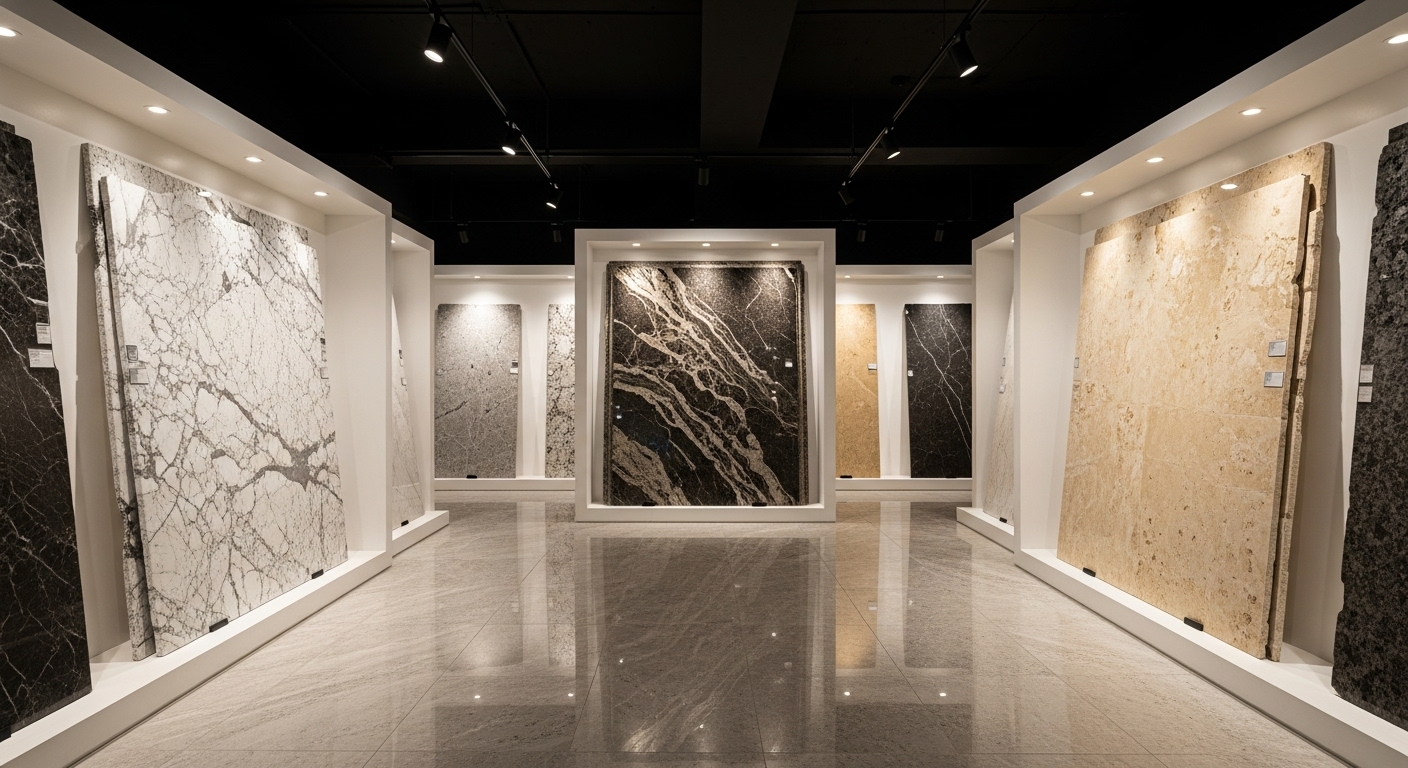
Selecting natural stone for an architectural project is far more than a purely aesthetic decision. It is a strategic choice that directly influences the durability, maintenance costs, and long-term value of a building . This comprehensive guide provides architects, designers, and project owners with a systematic approach to evaluating and selecting natural stone, with particular attention to the unique demands of the Gulf Cooperation Council (GCC) market, especially Saudi Arabia.
Understand Your Project Requirements
Before exploring specific stone types, a thorough assessment of your project's fundamental requirements is essential. These criteria will serve as the foundation for every subsequent decision in the selection process .
Residential vs Commercial Projects
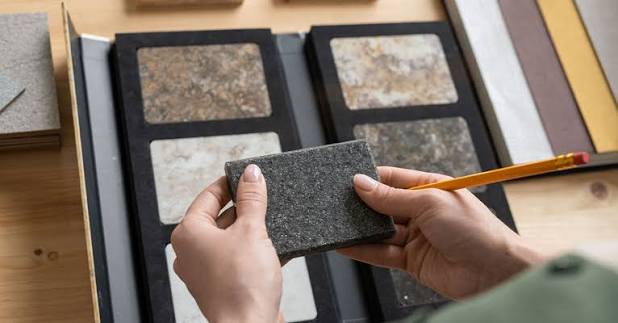
The distinction between residential and commercial applications is critical. High-traffic commercial spaces, such as hotel lobbies, airport terminals, and retail environments, demand exceptional durability and resistance to wear. In contrast, residential projects may prioritise aesthetic qualities and allow for materials that require more delicate care . Understanding the intensity and type of usage the stone will endure is the primary factor in selecting an appropriate material.
Interior or Exterior Applications
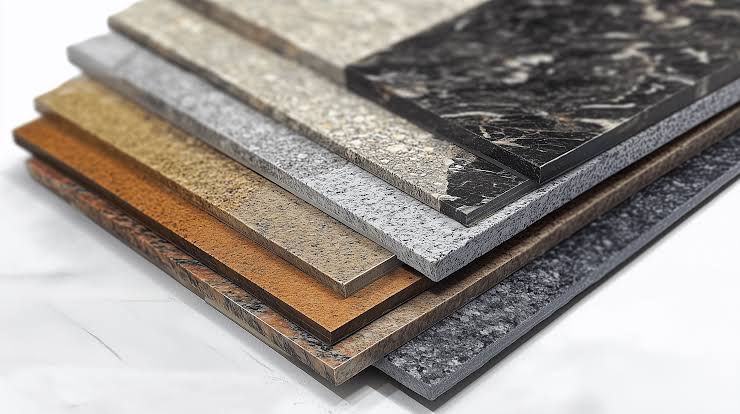
Natural stones perform differently depending on their environment. Interior applications are protected from the elements, allowing for the use of softer, more porous stones like marble. Exterior applications, however, are exposed to the harsh Gulf climate—intense UV radiation, extreme heat, sand abrasion, and occasional humidity. These conditions demand stones with high density, low water absorption, and exceptional weather resistance .
Climate Considerations in Saudi Arabia
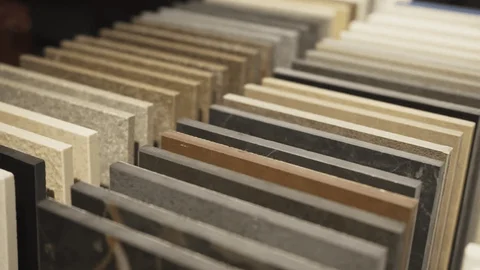
Saudi Arabia's unique climate is a decisive factor in material selection . The combination of intense heat, high UV exposure, significant daily temperature fluctuations, and abrasive dust creates a demanding environment for building materials . Research has shown that using natural stone as a thermal mass in hot climates can reduce annual energy demand by up to 9% . This makes natural stone not only a durable choice but also a sustainable one for the region.
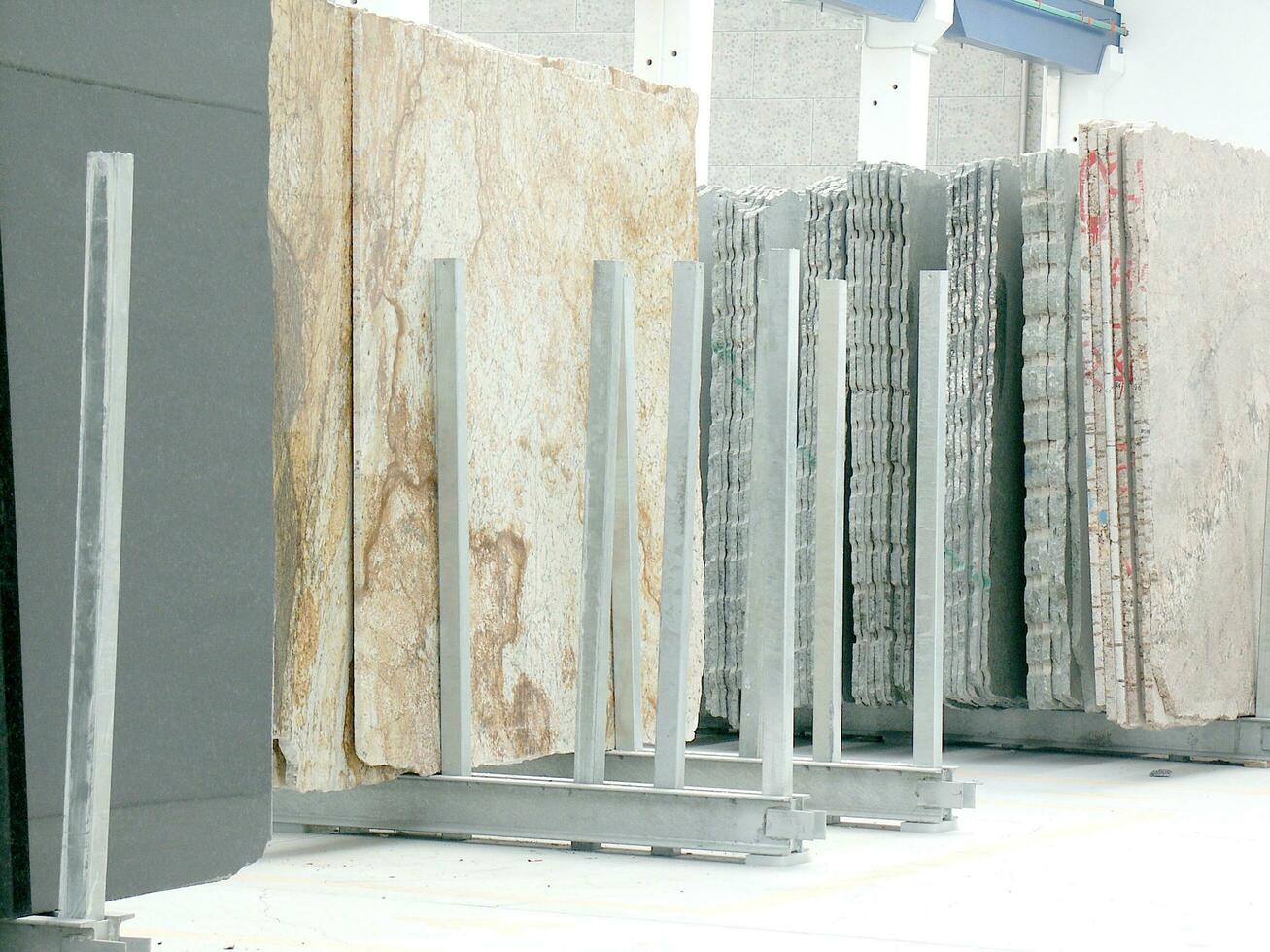
Key climatic challenges to consider:
-
Extreme Heat & UV Exposure: Stones like marble can lose their shine when exposed to prolonged direct sunlight, making them better suited for interiors . Granite, quartzite, and limestone are recommended for exterior facades due to their high resistance to heat and UV radiation .
-
Thermal Performance: Natural stone's ability to absorb heat slowly during the day and release it at night helps regulate building temperatures .
-
Dust and Sand Abrasion: High-density stones with hard surfaces resist abrasion from wind-blown sand more effectively than softer materials.
Explore Different Types of Natural Stone
Understanding the unique properties of each stone type is fundamental to making an informed decision. The following overview covers the primary natural stone categories available in the GCC market.
-
Appearance: Classic, elegant, with distinctive veining patterns. Marble offers a crystalline depth and high polish that is unmatched in its sophistication. Available in a wide range of colours, from pure white (Statuario) to deep black (Nero Marquina) and warm browns (Emperador) .
-
Best Applications: Luxury interiors, feature walls, bathroom vanities, fireplace surrounds, and low-traffic flooring .
-
Advantages: Timeless elegance, takes a high polish, reflects light beautifully, and adds significant property value.
-
Limitations: Softer and more porous than granite; susceptible to etching from acidic substances; requires regular sealing and careful maintenance .
-
-
Appearance: Warm, earthy tones from cream to brown, with a characteristic porous texture and subtle veining. Its natural cavities give it a unique tactile quality .
-
Best Applications: Facade cladding, pool decks, patios, exterior paving, and rustic interior flooring .
-
Advantages: Natural slip resistance, stays cool underfoot, good thermal insulation, and ages with character. Porous texture allows for breathability .
-
Limitations: Requires filling and sealing for most applications; softer than granite; higher maintenance for porous finishes.
-
-
-
-
Appearance: Speckled, granular pattern with crystalline sparkle. Available in a vast range of colours, from black and grey to pink, green, and blue .
-
Best Applications: Kitchen countertops, high-traffic flooring, exterior cladding, and paving .
-
Advantages: Extremely hard and durable; low water absorption; highly resistant to scratches, heat, and stains; requires minimal maintenance .
-
Limitations: Limited to more utilitarian patterns; often lacks the dramatic veining of marble.
-
-
-
-
-
Appearance: Speckled, granular pattern with crystalline sparkle. Available in a vast range of colours, from black and grey to pink, green, and blue .
-
Best Applications: Kitchen countertops, high-traffic flooring, exterior cladding, and paving .
-
Advantages: Extremely hard and durable; low water absorption; highly resistant to scratches, heat, and stains; requires minimal maintenance .
-
Limitations: Limited to more utilitarian patterns; often lacks the dramatic veining of marble.
-
-
-
-
-
Appearance: Speckled, granular pattern with crystalline sparkle. Available in a vast range of colours, from black and grey to pink, green, and blue .
-
Best Applications: Kitchen countertops, high-traffic flooring, exterior cladding, and paving .
-
Advantages: Extremely hard and durable; low water absorption; highly resistant to scratches, heat, and stains; requires minimal maintenance .
-
Limitations: Limited to more utilitarian patterns; often lacks the dramatic veining of marble.
-
-
-
-
-
Appearance: Speckled, granular pattern with crystalline sparkle. Available in a vast range of colours, from black and grey to pink, green, and blue .
-
Best Applications: Kitchen countertops, high-traffic flooring, exterior cladding, and paving .
-
Advantages: Extremely hard and durable; low water absorption; highly resistant to scratches, heat, and stains; requires minimal maintenance .
-
Limitations: Limited to more utilitarian patterns; often lacks the dramatic veining of marble.
-
-
-
-
-
Appearance: Speckled, granular pattern with crystalline sparkle. Available in a vast range of colours, from black and grey to pink, green, and blue .
-
Best Applications: Kitchen countertops, high-traffic flooring, exterior cladding, and paving .
-
Advantages: Extremely hard and durable; low water absorption; highly resistant to scratches, heat, and stains; requires minimal maintenance .
-
Limitations: Limited to more utilitarian patterns; often lacks the dramatic veining of marble.
-
-
Factors to Consider Before Choosing Natural Stone
Beyond basic stone type, several specific material properties and project factors demand careful evaluation. These elements determine whether a stone will perform as expected over time.
Durability
Assess the stone's hardness (Mohs scale) and compressive strength. This is crucial for high-traffic commercial flooring, stair treads, and kitchen countertops. Granite and quartzite offer the highest durability .
Water Absorption
Low water absorption is essential for exterior applications, pool areas, and bathrooms. Stones with high porosity are susceptible to staining, freeze-thaw damage, and bacterial growth. Granite and basalt are among the most water-resistant stones .
Slip Resistance
For pool decks, outdoor pathways, and wet areas, slip resistance is a critical safety consideration. Textured finishes like flamed, tumbled, or bush-hammered provide significantly better grip than polished surfaces. Travertine and basalt in appropriate finishes offer excellent slip resistance .
Maintenance Requirements
Understanding the maintenance demands of a stone is essential for lifecycle cost planning. Marble and limestone require regular sealing and careful cleaning to prevent staining and etching. Granite and quartzite require minimal maintenance .
Colour Stability
Some stones, particularly certain marbles, are sensitive to UV exposure and may fade or lose their polished finish in direct sunlight. This is a significant consideration for exterior applications . Granite and quartzite generally offer excellent colour stability.
Finish Options
The finish of a stone determines its appearance, texture, and suitability for different applications:
| Finish | Description | Best Applications |
|---|---|---|
| Polished | Smooth, glossy, reflective surface | Formal interiors, vanities, feature walls |
| Honed | Smooth, matte, non-reflective surface | Flooring, low-slip interiors, contemporary designs |
| Brushed | Textured, worn appearance, soft sheen | Feature walls, exterior cladding |
| Leathered | Textured, soft to the touch, satin sheen | Countertops, tactile surfaces |
| Flamed | Rough, textured surface from thermal treatment | Exterior paving, pool decks, anti-slip areas |
Budget
Stone prices vary dramatically based on type, origin, rarity, and quality. Local Saudi stones like Riyadh stone (limestone) are generally more affordable and better adapted to the local environment. Imported premium stones can cost significantly more. Prices for white marble in Saudi Arabia range from SR600 to SR5,000 per square metre, while beige marble ranges from SR200 to SR600 .
The finish of a stone determines its appearance, texture, and suitability for different applications:
| Finish | Description | Best Applications |
|---|---|---|
| Polished | Smooth, glossy, reflective surface | Formal interiors, vanities, feature walls |
| Honed | Smooth, matte, non-reflective surface | Flooring, low-slip interiors, contemporary designs |
| Brushed | Textured, worn appearance, soft sheen | Feature walls, exterior cladding |
| Leathered | Textured, soft to the touch, satin sheen | Countertops, tactile surfaces |
| Flamed | Rough, textured surface from thermal treatment | Exterior paving, pool decks, anti-slip areas |
Availability
Ensure the chosen stone is available in sufficient quantities and can be delivered within the project timeline. Lead times can vary significantly, especially for imported stones . Working with a supplier who maintains extensive inventory or has direct access to quarries is advantageous.
Matching Stone with Architectural Style
The architectural style of your project should guide your stone selection to ensure visual harmony and design coherence.
Luxury
-
Characteristics: Sophisticated, opulent, high-impact
-
Recommended Stones: Marble (especially Statuario, Calacatta, Armani Black), Onyx (for backlit features), exotic granites with dramatic veining (Belvedere Black Gold)
Luxury
-
Characteristics: Sophisticated, opulent, high-impact
-
Recommended Stones: Marble (especially Statuario, Calacatta, Armani Black), Onyx (for backlit features), exotic granites with dramatic veining (Belvedere Black Gold)
Minimalist
-
-
Characteristics: Clean lines, monochromatic, pure form
-
Recommended Stones: Uniform materials like Belgian Black Limestone, Basaltina Classico, honed Carrara marble
-
Rustic
-
Characteristics: Natural, textured, organic feel
-
Recommended Stones: Unfilled travertine, tumbled marble, limestone with visible fossils, sandstone
Industrial
-
Characteristics: Raw, utilitarian, urban aesthetic
-
Recommended Stones: Basalt, dark grey granite, flamed granite
Natural Look
-
Characteristics: Authentic, earthy, integrated with landscape
-
Recommended Stones: Limestone, sandstone, unpolished travertine, regional stones
Elegant
-
Characteristics: Refined, sophisticated, polished
-
Recommended Stones: Marble, onyx, polished limestone
Veined
-
Characteristics: Dramatic pattern, movement, visual interest
-
Recommended Stones: Marble (Arabescato, Calacatta, Dark Emperador), Quartzite with strong veining
Uniform
-
Characteristics: Consistent colour, minimal pattern, monolithic
-
Recommended Stones: Basalt, uniform limestone, Absolute Black Granite, Belgian Black Limestone
Choosing the Right Stone for Different Spaces
Kitchen
Best Stones:
Granite, Quartzite
Why:
High resistance to scratches, heat, stains, and acids; low maintenance
Bathroom
Best Stones:
Marble, Limestone
Why:
Elegant aesthetics, timeless appeal (with proper sealing for moisture resistance)
Living Room
Best Stones:
Marble, Limestone, Travertine
Why:
Warmth, elegance, comfort underfoot; creates inviting atmosphere
Hotel Lobby
Best Stones:
Marble, Quartzite, Granite
Why:
High durability for heavy traffic combined with sophisticated aesthetics
Villa Exterior
Best Stones:
Limestone, Travertine, Granite, Basalt
Why:
Weather resistance, thermal performance, slip resistance
Commercial Buildings
Best Stones:
Granite, Quartzite, Basalt
Why:
Maximum durability, low maintenance, resistance to heavy foot traffic
Landscape
Best Stones:
Limestone, Travertine, Sandstone, Basalt
Why:
Weather resistance, natural appearance, slip resistance for paving
Swimming Pools
Best Stones:
Travertine, Basalt (flamed/bush-hammered finish), Granite
Why:
Superior slip resistance, low water absorption, stays cool underfoot
Staircases
Best Stones:
Granite, Quartzite, Basalt
Why:
Exceptional durability and resistance to wear from foot traffic
Flooring
Best Stones:
Granite, Marble, Travertine, Limestone
Why:
Varies by application; consider traffic, maintenance, and aesthetic preference
Wall Cladding
Best Stones:
Marble, Limestone, Granite
Why:
Aesthetic versatility, lightweight for interior applications, structural options for exteriors
Common Mistakes When Selecting Natural Stone
-
Choosing Only Based on Appearance: Selecting stone purely for its visual appeal without considering its performance characteristics leads to maintenance issues and premature replacement .
-
Ignoring Maintenance Requirements: Underestimating the care required for softer or more porous stones can result in stained, etched, or damaged surfaces and unexpected costs.
-
Not Considering Climate: Failing to account for the harsh Gulf climate can lead to material failure, fading, or excessive maintenance for exterior applications .
-
Choosing the Wrong Finish: Using a polished finish on an exterior floor or a flamed finish on a bathroom vanity creates safety hazards and aesthetic mismatches .
-
Buying from Unreliable Suppliers: Overlooking the importance of supplier reputation, quality control, and reliable delivery can result in project delays, inconsistent materials, and compromised quality.
How to Evaluate Natural Stone Quality
Before committing to a purchase, professional quality assessment is essential. Consider the following factors:
-
Surface Consistency: Inspect the slab for uniformity of colour, pattern, and finish. Significant variations may indicate instability .
-
Natural Veining: Examine the veining pattern—it should be consistent with the stone type and aesthetically pleasing for your application .
-
Cracks and Fissures: Look for cracks that compromise structural integrity. Some natural fissures are acceptable, but excessive cracking is a red flag.
-
Thickness: Ensure thickness is consistent across the slab and appropriate for the intended application .
-
Cutting Accuracy: Check that slabs are cut to precise dimensions and that edges are clean and square.
-
Finishing Quality: Assess the quality of the polish, honing, or texturing. A good finish should be even and well-executed.
-
Packaging: Well-packaged stone indicates attention to detail and care during transportation, reducing the risk of damage in transit.
-
Quality Inspection: Request ASTM test results or other certification to verify the stone's physical properties and compliance with international standards .
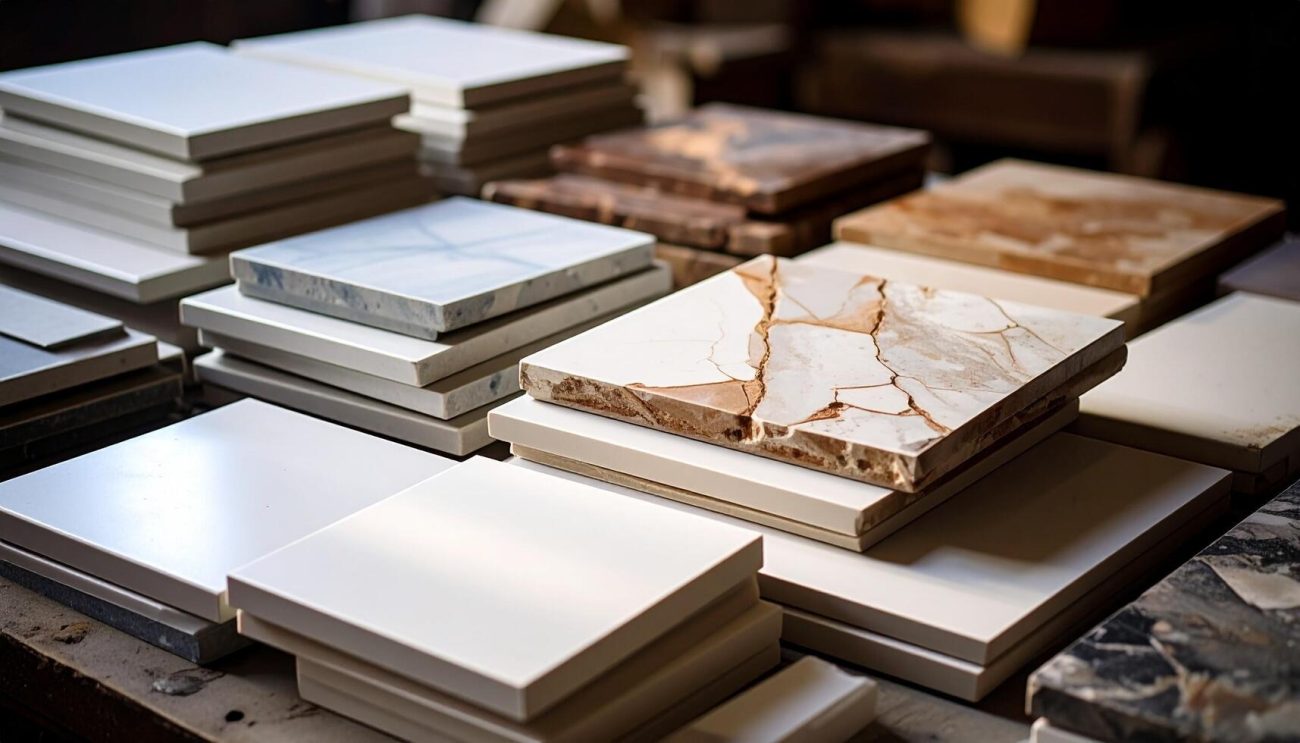
Why Choosing the Right Supplier Matters
Selecting a reliable supplier is as critical as choosing the right stone. A professional supplier reduces project risk through:
-
Product Consistency: Expert suppliers maintain rigorous quality control to ensure colour and pattern consistency across large orders, avoiding mismatched batches.
-
Large Project Capability: They can deliver the volume required for major projects without compromising quality or schedule.
-
Custom Cutting: Professional suppliers provide precise cutting and fabrication services that reduce on-site waste and labour costs.
-
Reliable Delivery: Established suppliers with strategic logistics hubs can ensure on-time delivery, crucial for project scheduling .
-
Quality Control: A reputable supplier inspects and grades every slab, ensuring only premium-quality material reaches your project.
-
Expert Consultation: Knowledgeable suppliers offer technical advisory services, guiding you through the selection process and providing installation recommendations .
Frequently Asked Questions
For exterior applications in hot climates, granite, quartzite, and limestone are the most suitable due to their high resistance to heat and UV radiation. These stones withstand the harsh Gulf climate without significant degradation . For interiors, marble and limestone are excellent choices as they remain cool and reflect light.
Yes, travertine is highly suitable for exterior wall cladding. Its natural porosity allows it to "breathe," preventing moisture entrapment, and its warm, natural appearance complements both classic and contemporary architecture. Proper sealing is recommended for enhanced weather resistance
Granite and quartzite require the least maintenance. Their low porosity and high hardness make them resistant to staining, scratching, and etching. Regular cleaning with mild soap and water is typically sufficient, and sealing is rarely required .
The choice between marble and quartzite depends on your application. Marble offers classic elegance, a superior polish, and timeless beauty but requires careful maintenance and is susceptible to etching . Quartzite provides similar aesthetics with the durability of granite, making it suitable for high-traffic areas and kitchen countertops .
For outdoor flooring, flamed, bush-hammered, or tumbled finishes are recommended. These textured finishes provide superior slip resistance, even when wet. Honed finishes can also be used for exteriors but offer less traction. Polished finishes should never be used for outdoor flooring .
With proper installation and maintenance, natural stone can last for generations—often centuries. Many historical structures built with natural stone still stand today, testament to its exceptional durability .
Yes, natural stone significantly increases property value. Its timeless beauty, durability, and prestige make it a highly desirable feature for discerning buyers, often justifying premium pricing for properties .
Choose a supplier with direct access to quarries or extensive inventory, comprehensive quality control processes, a proven track record with large-scale projects, expert consultation services, and reliable delivery capabilities. Ask for client references and visit the supplier's warehouse if possible .
Conclusion
Choosing the right natural stone for your project is a multifaceted decision that extends far beyond visual preference. Success requires a comprehensive understanding of your project's requirements—including application, location, and the specific demands of the Gulf climate—combined with careful evaluation of material properties, maintenance demands, and architectural style .
Equally important is selecting a trusted supplier who can provide product consistency, expert guidance, and reliable delivery. The right supplier reduces project risk and ensures the stone you specify is the stone you receive, performing exactly as expected for decades to come.